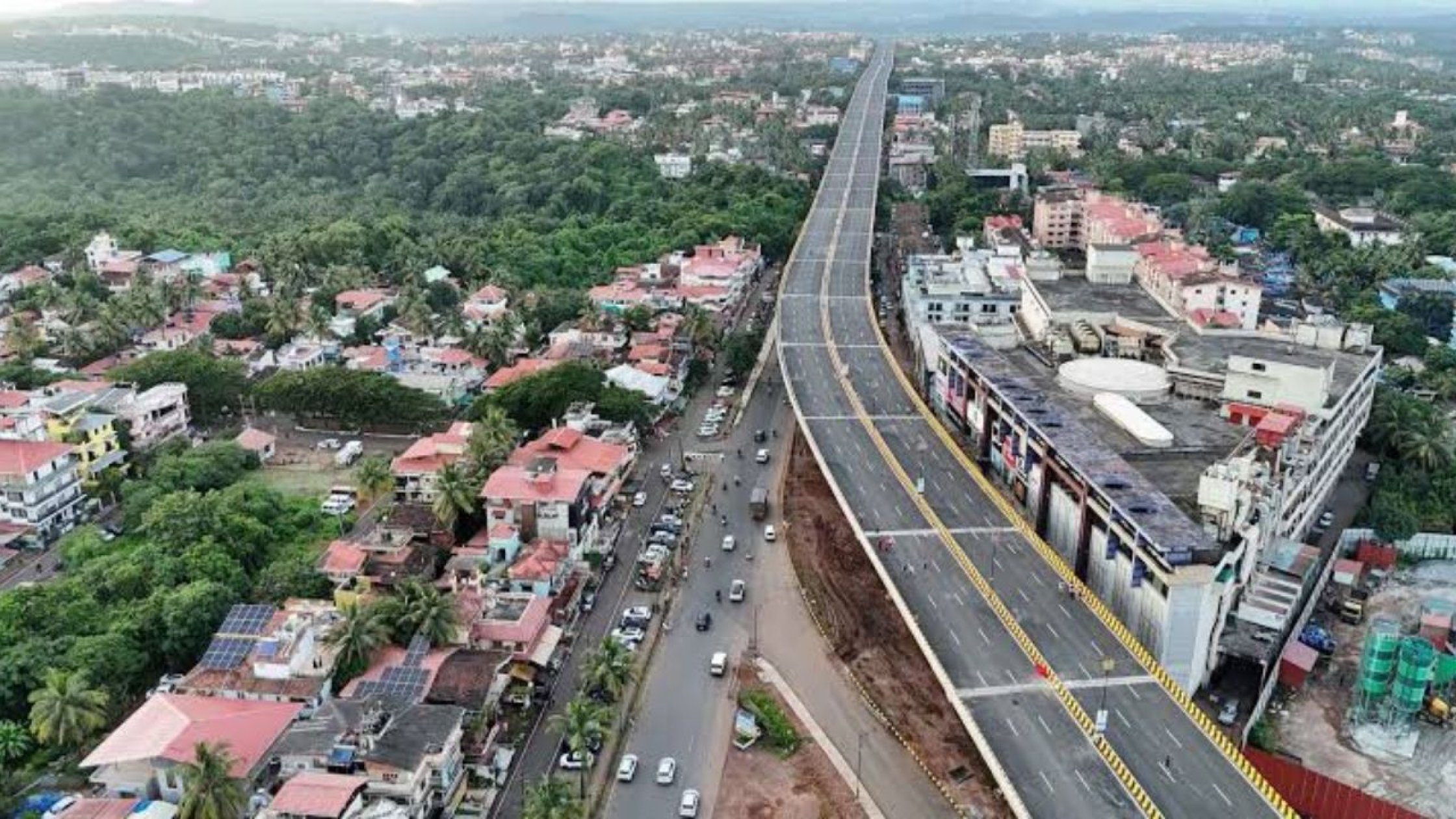
My dear Goenkars, especially the people of Porvorim and Saligao,
For residents who have lived through road closures, diversions and long traffic queues, the Porvorim elevated corridor represents a simple hope: an easier daily journey.
People adjusted their routines. Families allowed extra time for school runs. Office-goers navigated changing routes, while local businesses continued working through disruption. They cooperated because better connectivity was promised.
Now that the corridor has opened, an essential question deserves an answer: how well does it serve the people who need to reach Porvorim itself?
Accident aftermath: two-wheelers banned on Porvorim flyover
The opening of the corridor was followed by tragedy. According to The Goan’s September 14 report, two people died in an accident on the newly opened route on Saturday, September 12. The government subsequently announced a ban on two-wheelers and restrictions on service-road access. Read The Goan’s report on the accident aftermath.
The Navhind Times reported that the temporary two-wheeler ban would remain in force until further notice, with riders directed to the roads below the elevated corridor. Its report also described cement barricades being installed at access points near Neo Majestic and Guirim. These are the arrangements reported on September 14; commuters should check the latest official directions before travelling. Read The Navhind Times’ report on the restrictions.
For families grieving this loss, road safety is deeply personal. Preventing another tragedy must guide every decision about the corridor. Riders also need safe, clearly marked alternative routes, and drivers need warning of restrictions before they reach an entry point.
When your destination is below, but your exit is ahead
Following a fatal accident, authorities introduced temporary restrictions, including a two-wheeler ban and closures at the Hotel Majestic-side access points. A September 14 report said motorists entering from Guirim were being directed onward through Atal Setu to Merces instead of being able to exit near Majestic. Read the reported traffic arrangements.
For someone travelling to Porvorim, that can mean passing their destination and making an avoidable return journey.
Consider a resident heading home, a parent collecting a child, or a visitor trying to reach a local business. If they enter the corridor without knowing that their intended exit is unavailable, they discover the problem only after their route has already been decided.
A road built to save time should give people enough information to choose the right journey.
Safety comes first—and communication belongs alongside it
The loss of life demands serious attention. Authorities must take the measures necessary to protect road users.
But a temporary restriction also needs a clear public explanation. Commuters should know which access points are closed, which routes remain available and when the arrangements will next be reviewed.
Reports published on September 16 described growing congestion on the service roads and frustration among residents affected by the access closures. That makes clear communication even more urgent. Read the report on service-road congestion.
The right place to explain a closed exit is before a motorist enters the corridor.
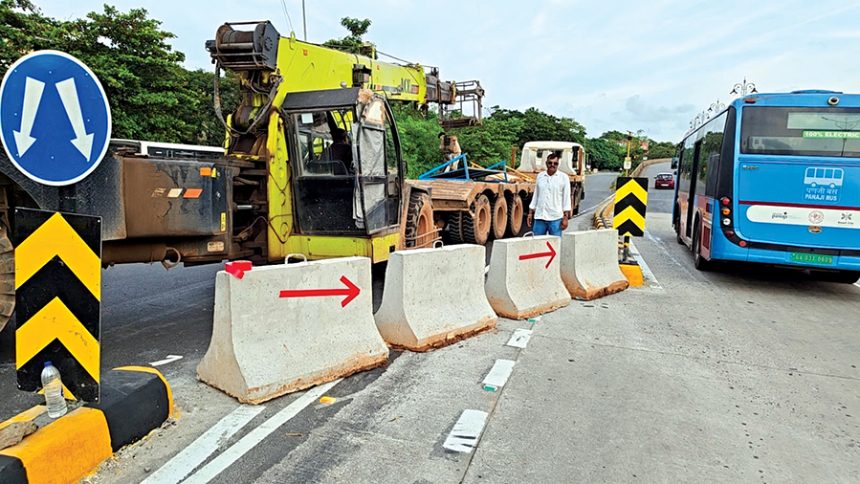
Photo unavailable from the publisher. View the original report using the source link below.
Clear signs can prevent unnecessary journeys
Where a Porvorim exit is unavailable, advance signs should communicate that plainly. A message such as the following could help, provided it matches the authorised route:
PORVORIM EXIT CLOSED — USE THE DESIGNATED SERVICE-ROAD ROUTE
Signs should appear early enough for drivers to make a safe decision, with repeat guidance as they approach the entry. Directions must also remain clear after motorists take the alternative route.
Residents should not have to piece together essential travel information from forwarded messages or discover a closure through trial and error.
What commuters deserve now
The concerned authorities should prioritise four practical steps:
- Provide advance directions: Place visible, readable signs before the corridor’s entry points.
- Publish current access information: Explain which entries and exits are operational and identify the designated alternatives.
- Explain the restrictions: Share the reasons for closures and the next review date, even if reopening cannot yet be confirmed.
- Restore safe local access: Develop arrangements that let people reach Porvorim without unnecessary detours.
The success of infrastructure is measured in everyday journeys: reaching work, getting children to school and arriving home safely.
Until arrangements change, commuters heading to Porvorim should check the latest official traffic advisory and follow posted diversions. Where the relevant exit is closed, use the designated alternative route.
Goa deserves modern infrastructure that works for its communities. The people who endured the disruption deserve clear information and practical access alongside safer roads.
Make the corridor safe.
Make the signage clear.
Make the exits practical.
Put people’s convenience first.
Goa First. Goans First.
For Goa, with Goans.